Small Bathroom Ideas: Smart Space Solutions
Creating a small bathroom that feels spacious begins with a clear strategy and design decisions grounded in practicality and style. As a seasoned design practitioner, I focus on reducing visual clutter, maximizing daylight, and choosing fixtures that do more with less. Below you will find practical small bathroom ideas that address everyday needs while boosting comfort and resale appeal.
Principles of Small Bathroom Design
Maximize vertical space
In tight spaces, vertical storage creates room to maneuver. Install wall mounted cabinets, open shelves above the toilet, and hooks closer to the door. By drawing the eye upward, you visually expand the room and keep countertops clear for everyday use.
Choose light colors and reflective surfaces
Light, neutral tones reflect natural light and make a small bathroom feel larger. Pair pale walls with glossy tiles, glass shower enclosures, and mirrors that stretch from vanity to ceiling. The result is a brighter, airy atmosphere with fewer visual barriers.
Smart storage and multi-use fixtures
Think storage-first. Built-in niches in the shower, recessed medicine cabinets, and vanity drawers designed for small bottles and cosmetics will reduce clutter. Multi-use fixtures such as a combined sink and vanity with integrated towel storage maximize efficiency without sacrificing style.
Compact fixtures that still perform
Choose compact toilets, shallow basins, and shallow sinks with a generous bowl. Favor floating vanities to reveal floor space, which enhances the perception of openness and makes cleaning easier.
Layout Ideas for Different Bathrooms
Walk-in shower vs shower tub
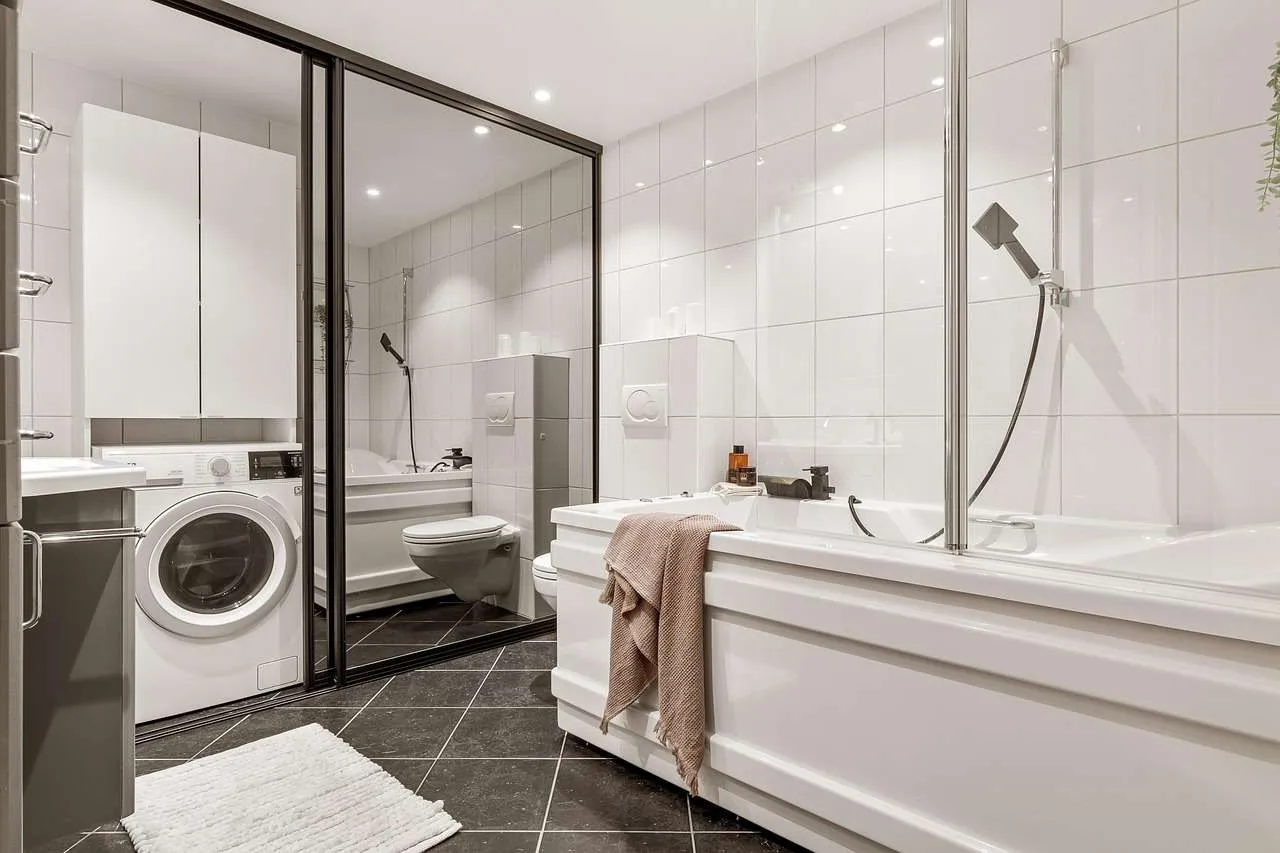
In very small baths, a walk-in shower with a clear glass panel visually expands the space more than a tub. If a tub is essential, opt for a short, compact tub with a shower curtain or a frameless glass panel to preserve openness.
Floating vanities and corner solutions
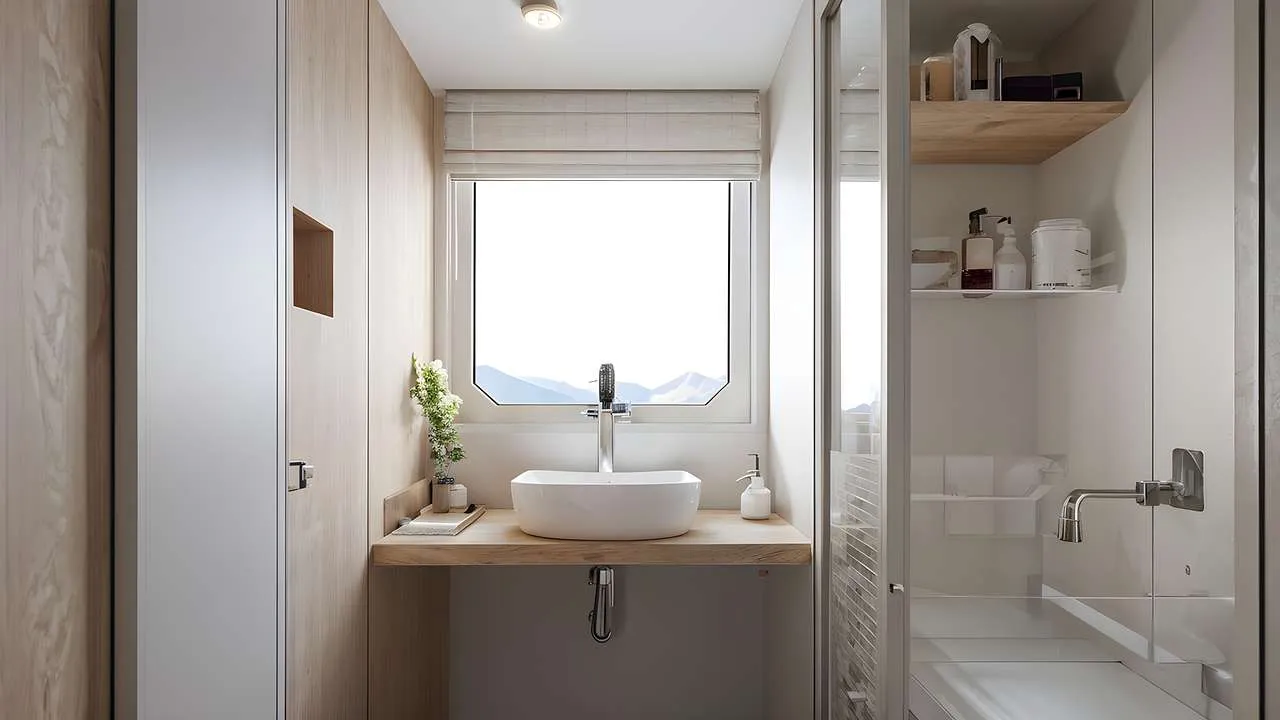
A floating vanity keeps the floor visible, making the room feel larger. Corner sinks or compact corner vanities unlock previously unused space and create a more fluid flow between zones.
Pocket doors or narrow doors
Replacing a swinging door with a pocket door eliminates the door swing area, which is precious in a small bathroom. If a pocket door isn’t feasible, a hinged door with a slim profile can still free up floor space.
Mirrors and lighting
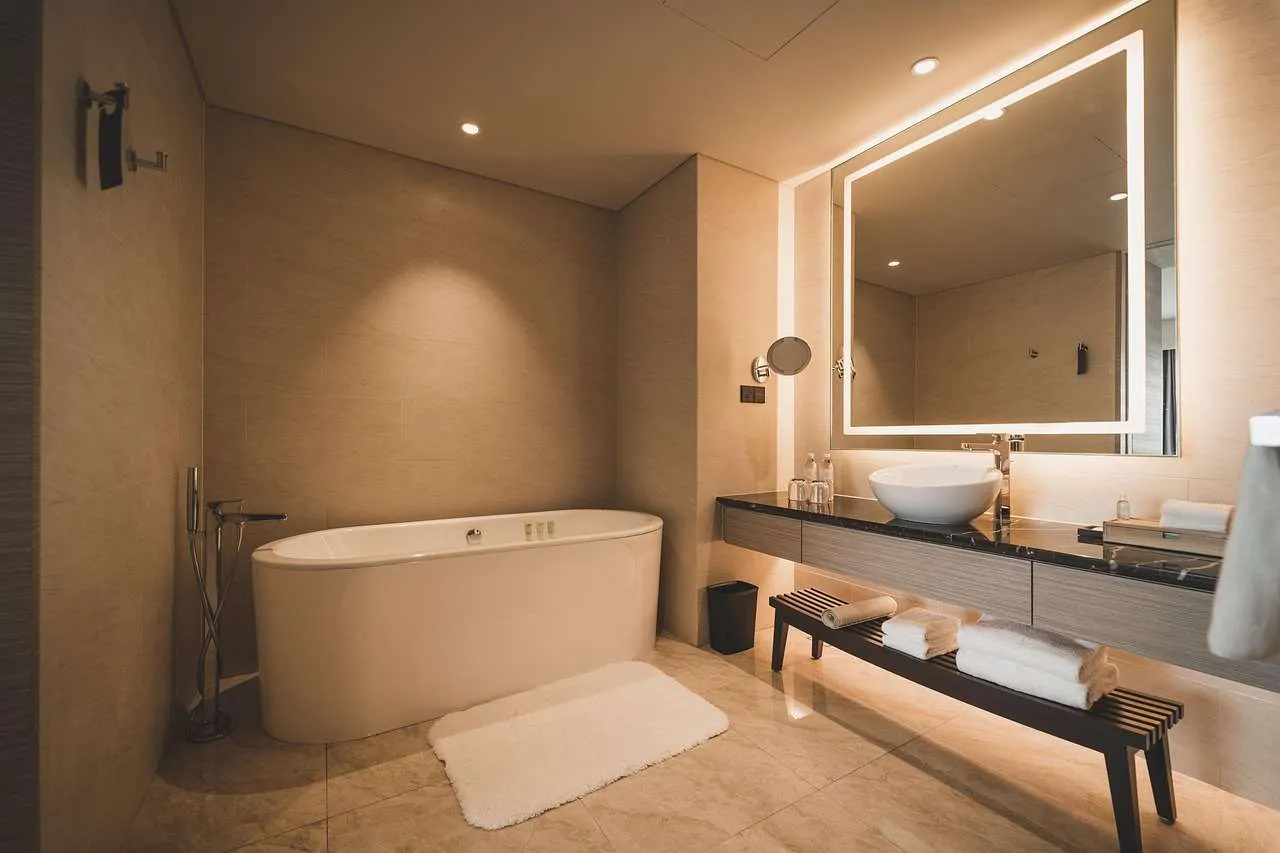
Large mirrors or mirrored cabinets amplify light and depth. Layer ceiling lighting with wall sconces or LED strips around mirrors to reduce shadows and brighten the whole room.
Materials Finishes and Lighting
Flooring and wall choices
Large format tiles reduce grout lines, creating a cleaner, more seamless surface that visually expands the room. Use water resistant materials and slip resistant finishes for safety in wet zones.
Glass and transparency
Glass shower doors and transparent accessories minimize visual barriers. A clear enclosure lets light travel, while frosted glass can preserve privacy in shared spaces without sacrificing openness.
Lighting plan
A well layered lighting plan includes ambient, task, and accent lighting. Recessed ceiling lights combined with task lighting around mirrors ensures the space is evenly lit and functional for daily routines.
Budget, Planning, and Maintenance
Budgeting smartly
Prioritize high-impact upgrades such as efficient fixtures, a floating vanity, and good lighting. Choose durable materials that resist moisture and require less maintenance over time to protect your investment.
Planning steps
Start with a measured plan of the room, list must have features, and sketch a simple layout. Consider hiring a designer or contractor for tricky tasks like plumbing adjustments or waterproofing to ensure durability and compliance.
Feature Comparison
| Feature | Benefits | Ideal Space | Typical Cost |
| Floating vanity | Increases floor space, easy cleaning, modern look | Tiny to small baths | Low to mid |
| Recessed medicine cabinet | Adds storage without intruding on floor area | Any compact layout | Low |
| Corner shower | Saves space, reduces crowding | Small baths without tubs | Low to mid |
| Pocket door | Saves doorway swing area, opens floor plan | Very small or awkward layouts | Mid |
| Large format tiles | Fewer grout lines, visually larger surface | All walls and floors | Mid |
Incorporating these approaches will help you transform a cramped bathroom into a comfortable, functional space that still feels cohesive with the rest of your home. Dimensions, light, and careful material choices are your best allies in designing a small bathroom that performs well and looks great.
Summary In small bathrooms, maximize vertical space, use light colors, implement smart storage, and select compact fixtures to create a space that feels larger and is easier to use. With planning and the right materials, small bathrooms can be both practical and stylish.