Window Tint for Home: A Practical Guide
As a homeowner, choosing window tint for home is about balancing energy savings, comfort, privacy, and safety. This guide, backed by years of professional experience in home improvement and digital strategy, explains how to evaluate options, what each film does, and how to install it properly while staying compliant with local rules. The goal is to help you maximize comfort, protect furnishings, and reduce energy costs without sacrificing your view.
Benefits of window tint for home
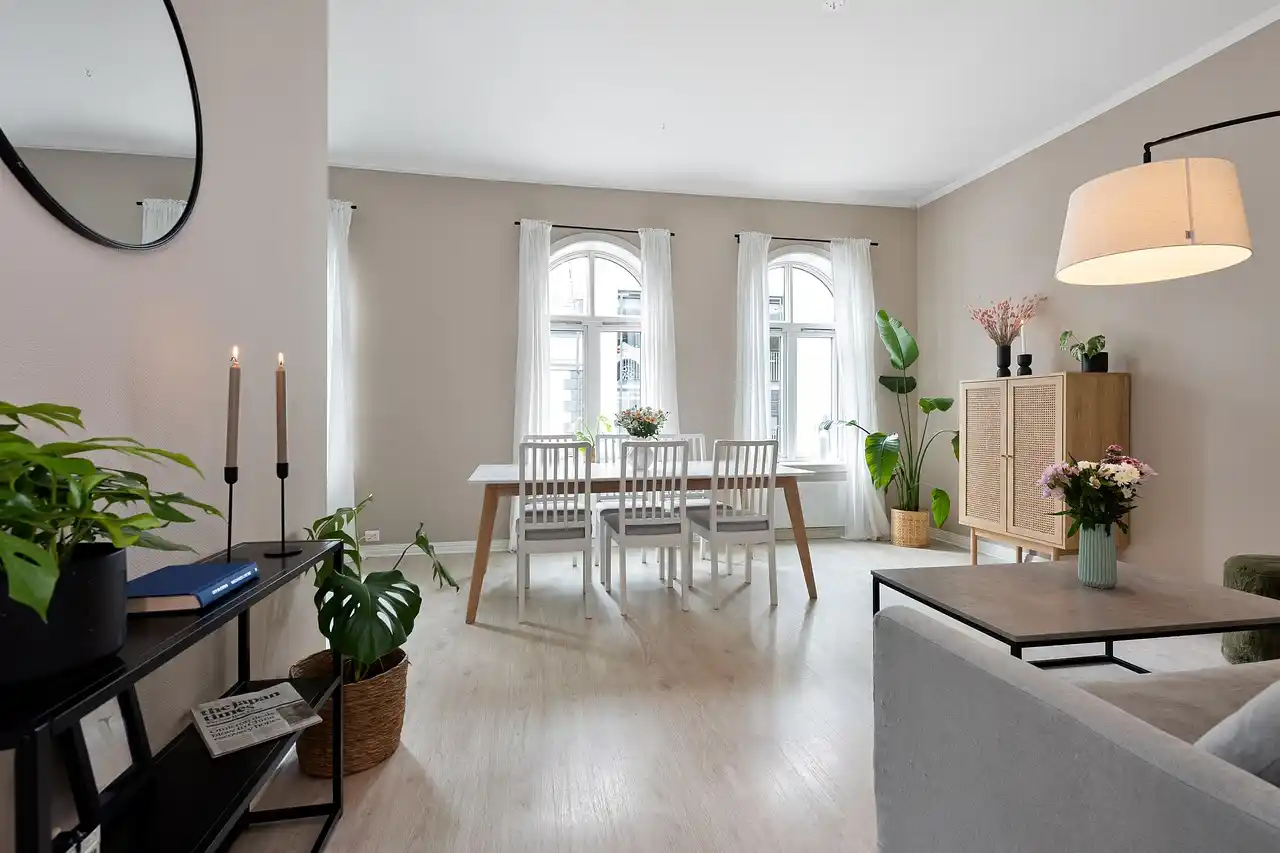
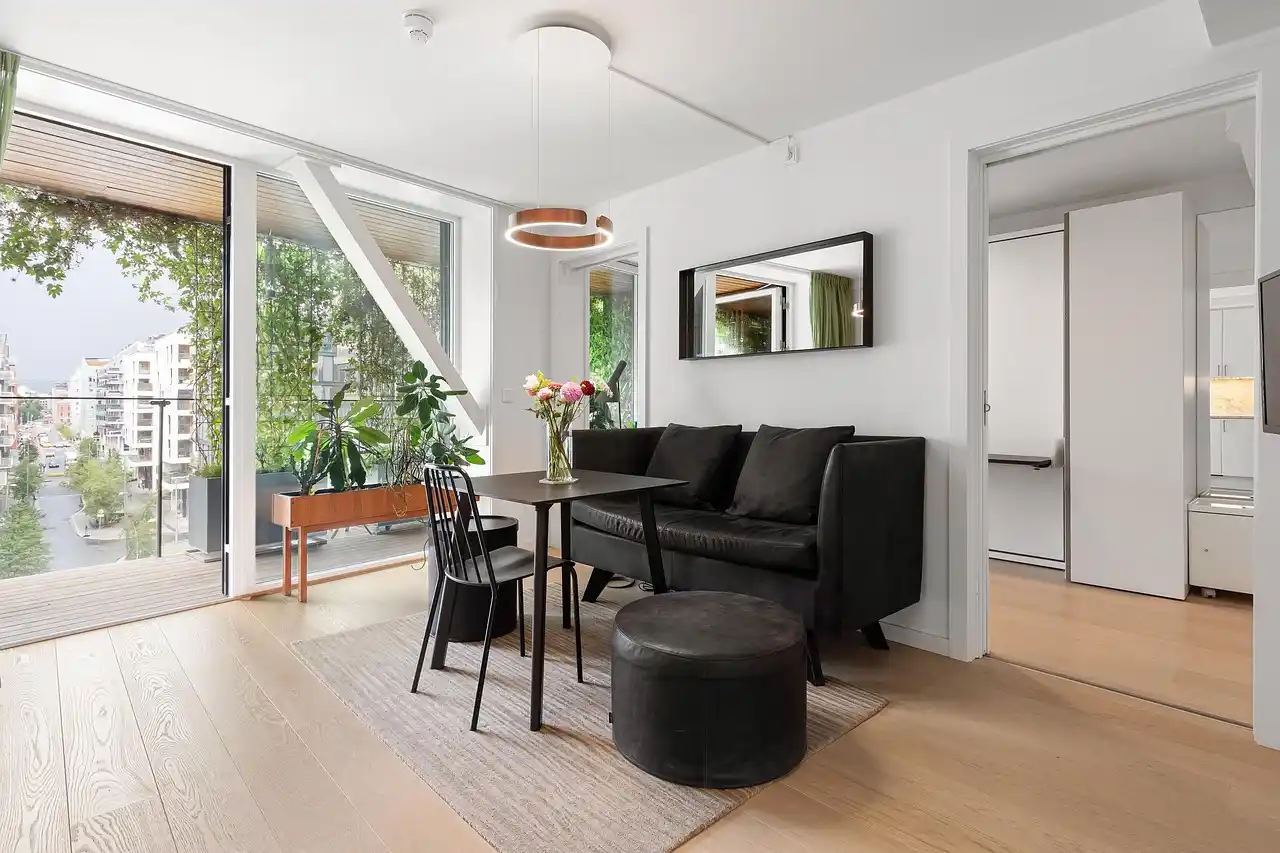
Window tint for home helps cut heat from the sun, lowering cooling costs in hot climates and reducing glare that can interfere with screens and tasks. UV blocking protects furniture, floors, and artwork from fading. In addition, tinted windows enhance privacy during the day and, with some films, maintain a clear view at night when lighting conditions differ.
Durability and safety features can also be important. Many modern films hold shattered glass together in the event of breakage, offering an extra layer of safety for families with children and during storms. And because reducing solar heat gain makes HVAC systems work less hard, you may extend the life of your equipment while increasing overall comfort.
Types of window tint for home
Dyed window tint
Dyed films are among the most affordable options. They absorb heat and reduce glare, giving you a warmer, more uniform look. However, they are less durable over time and can fade or turn purple in some environments, which is a potential drawback for long term value.
Metalized window tint
Metalized films reflect a portion of the sun's energy, delivering strong heat rejection and glare control. They can interfere with certain electronics and may create a mirrored appearance, which some homeowners prefer or dislike depending on street visibility.
Carbon window tint
Carbon films provide excellent heat rejection with a non reflective finish. They are typically mid to high in price but offer a natural appearance that does not fade or change color easily.
Ceramic window tint
Ceramic films are renowned for top performance, minimizing heat gain while preserving clarity and color fidelity. They are non conductive, do not interfere with electronics, and are less likely to show visible tint changes over time, making them a popular choice for energy conscious households.
Nano-ceramic window tint
Nano-ceramic or advanced ceramic films deliver the best overall performance, combining heat rejection, UV protection, and optical clarity. They come at a premium price, but many homeowners report the most noticeable comfort gains and long-term value.
Comparison of common home window tint films
| Film Type | Pros | Cons | Best For |
|---|---|---|---|
| Dyed | Low cost, glare reduction | Less durable, can fade | Budget upgrades |
| Metalized | Excellent heat rejection | Possible signal interference | High sun exposure, privacy |
| Carbon | Non reflective, good heat rejection | Moderate cost | Residential comfort |
| Ceramic | Top performance, clear view | Higher cost | Energy efficiency focus |
| Nano-ceramic | Best overall, strong UV protection | Premium price | Maximum performance |
How to choose window tint for home
Start by assessing your climate, sun exposure, and room orientation. East facing rooms pick up morning sun, while west facing spaces bear the hottest afternoon rays. Consider the glass type in your home and any HOA or local regulations that restrict tint darkness or reflected glare.
- Privacy needs during daytime without sacrificing natural light
- Budget and expected return on energy savings
- Desired appearance: reflective vs non-reflective finish
- Compatibility with window hardware and existing coatings
For most homeowners, a mid range carbon or ceramic film strikes a balance between performance, appearance, and value. If you live in a hot climate with strong sun, a nano-ceramic option may deliver the most noticeable comfort gains and longer system life.
Installation and maintenance
Professional installation is recommended for large or complex panes, multi story homes, and windows with curved or beveled edges. A skilled installer ensures precise cuts, bubble-free finishes, and proper sealing at edges, which affects durability and warranty validity. DIY tinting is possible on simple panes, but requires careful surface prep and tools to avoid damage. Clean tinted panes with a soft cloth and a non ammonia cleaner; avoid abrasive cleaners that could scratch the film.
EEAT and reliability
As a seasoned expert in home efficiency and digital content strategy, this guide emphasizes accuracy, clarity, and practical steps aligned with industry standards. When selecting window tint for home, consult product specifications, seek professional installation, and verify warranties from reputable manufacturers to ensure trustworthiness and long-term results.
Conclusion, window tint for home delivers energy savings, privacy, and protection when chosen and installed with quality products and professional guidance. By assessing climate, sun exposure, and local rules, homeowners can select a film that best fits their needs and ensure long term value.